Can Veneers Improve Both Form and Function?
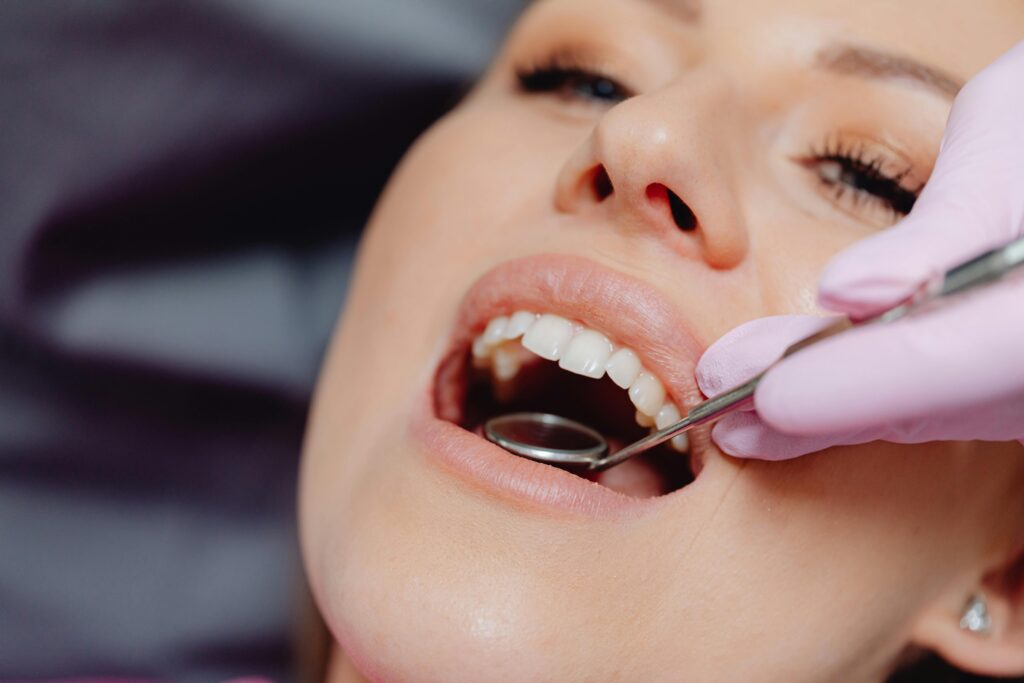
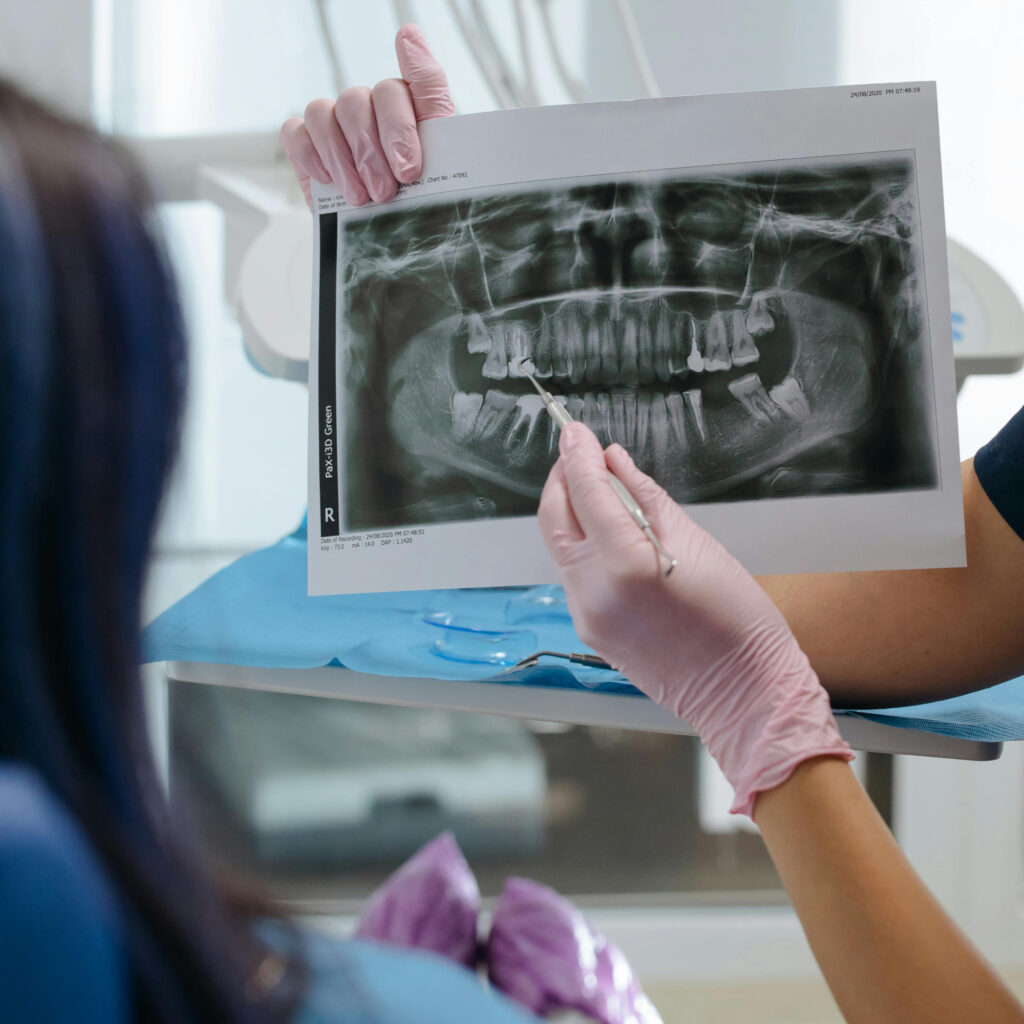
When most people hear the word veneers, they think of cosmetics first. They picture whiter teeth, straighter-looking smiles, and the kind of polished symmetry often associated with celebrity dentistry. That image is not wrong, but it is incomplete. In everyday practice, veneers sit at an interesting intersection between appearance and biomechanics. They can absolutely improve form, and in the right case, they can also support function. The key phrase is in the right case.
That distinction matters because veneers are often misunderstood. Some patients assume they are purely decorative, a thin shell placed over healthy teeth with no impact beyond appearance. Others overestimate what they can do and expect them to solve bite problems, grinding habits, or structural damage that really call for orthodontics, bonding, crowns, or a full rehabilitation plan. The truth is more nuanced. Veneers are powerful, conservative tools when used with judgment. They are not magic, and they are not interchangeable with every other restorative option.
A well-planned veneer case can improve the way teeth look, how they guide the bite, how the lips are supported when smiling, and even how a patient speaks in certain situations. A poorly planned veneer case can create bulk, trap plaque, inflame gums, chip under stress, and make the bite feel perpetually off. That is why the conversation around veneers should go well beyond shade charts and smile makeovers.
What veneers actually are
Veneers are thin restorations, usually made from porcelain or a high-strength ceramic, bonded to the front surface of teeth. Composite veneers also exist and can be very useful, especially when cost, reversibility, or limited repair is part of the treatment discussion. Porcelain tends to offer greater stain resistance, longevity, and refined optical properties. Composite tends to be more affordable and easier to modify chairside.
Their main purpose is to change the visible shape, proportion, color, and surface character of teeth. They can close small spaces, mask discoloration that whitening will not fully address, improve worn edges, and create the appearance of better alignment without moving the teeth. Because they are bonded restorations, they can also reinforce certain enamel-compromised surfaces, although that should not be confused with making a weak tooth invincible.
What separates excellent veneer work from average veneer work is not simply the material. It is diagnosis, preparation design, occlusal planning, and restraint. The most natural cases are often the ones that look almost unremarkable to the casual observer. The teeth just seem healthy, balanced, and age-appropriate.
The cosmetic value is obvious, but it is not superficial
Appearance matters more than some clinicians like to admit. People notice their teeth every day, often many times a day. A chipped central incisor, mottled enamel from tetracycline staining, or wear that shortens the front teeth can affect how someone smiles, speaks, and carries themselves at work. Those concerns are not vain. They are practical and social.
Veneers can improve several visual problems at once. Color can be unified when whitening alone cannot create an even result. Shape can be lengthened or softened. Triangular spaces near the gumline, often called black triangles, can sometimes be reduced with thoughtful contouring. Minor crowding or rotation can be visually disguised if the underlying tooth positions allow it.
Still, the best cosmetic outcomes are tied to anatomical discipline. Teeth should fit the face, the lips, and the patient's age. A forty-five-year-old patient with strong facial features and moderate wear may not look convincing with overly bright, uniformly square veneers. Real teeth are not identical tiles. They have slight texture, translucency, asymmetry, and variation in edge form. Good veneer dentistry respects those details.
I have seen patients who came in asking for the brightest possible smile and left happiest with a more restrained plan. Once they saw a mock-up, many realized that what they wanted was not simply white teeth. They wanted teeth that looked healthy, proportional, and believable. That is a very different target.
Where function enters the picture
Functional improvement from veneers is possible, but it depends heavily on why the teeth are being treated in the first place. Veneers can help restore lost incisal length in worn front teeth, which may improve anterior guidance. They can smooth uneven edges that affect phonetics. They can rebuild contours that influence how upper and lower teeth meet during certain movements. In selected cases, they can protect exposed dentin and reduce sensitivity when enamel has eroded.
Those are genuine functional gains, but they come with limits. Veneers do not correct a significant skeletal discrepancy. They do not replace orthodontics when teeth are severely malpositioned. They do not neutralize heavy bruxism on their own. If someone has a deeply unstable bite, muscle pain, or active parafunctional habits, veneers may fail early unless the underlying issue is managed first.
A common example is the patient with acid erosion and edge wear on the upper front teeth. These teeth often look shorter, flatter, and more translucent than they should. The patient may complain that the smile looks older, the teeth chip easily, and certain words feel different when speaking. In a case like that, veneers can be more than cosmetic. By restoring length and contour, they may improve the way the front teeth contact during movement and reduce the strain on the worn edges. The result can be more comfortable and more stable, not just prettier.
Function begins with the bite, not the ceramic
This is where experience matters. Two veneer cases can look similar in photographs and be completely different mechanically.
One patient may have healthy joints, a stable bite, minimal wear, and enough enamel for excellent bonding. Another may have edge-to-edge function, a history of fractured restorations, recession, and night grinding. If both receive the same veneer design, one is likely to thrive while the other may chip, debond, or feel wrong almost immediately.
Before recommending veneers, a careful clinician should assess several things:
- enamel quality and how much natural tooth remains for bonding
- the patient's bite at rest and in movement
- signs of clenching, grinding, or acid erosion
- gum health and whether the tissue can support refined margins
- whether orthodontic movement would create a more conservative result
That short list is where many successful cases are won or lost. Veneers perform best when bonded mostly to enamel. Bond strength to enamel is more predictable than bond strength to dentin. If teeth are severely crowded or protruded, aggressive tooth reduction may be needed to fit veneers within the natural arch. That is usually a warning sign. Orthodontics first often creates a safer, more conservative pathway.
Cases where veneers can improve function
Some indications are straightforward. A patient with congenitally small lateral incisors may have spacing and poor smile balance. Veneers can widen the teeth into proper proportion, which improves appearance and can also refine contact points and guidance. A patient with front teeth worn from years of grinding may have lost the subtle contours that help the jaw move smoothly. Restoring those surfaces carefully can improve how the bite feels, provided the grinding habit is addressed with a night guard and ongoing monitoring.
Another common scenario involves enamel defects. Teeth affected by fluorosis, hypoplasia, or developmental irregularities may be rough, stained, and difficult to protect with simpler measures. Veneers can create a smoother external surface, improve cleansability, and reduce sensitivity when the defects are primarily facial and the tooth remains structurally sound.
Speech is another area people rarely associate with veneers, yet phonetics can be affected by tooth position and edge length. Sounds such as "f," "v," "s," and "th" rely on precise relationships between teeth, lips, and tongue. If front teeth are too short from wear, or if old restorations altered the contour poorly, veneers can restore more natural speech mechanics. This must be done carefully. Overbuilt veneers can create the opposite problem and make speech feel awkward for weeks or longer.
Cases where veneers are the wrong answer
Veneers are often overprescribed for severe alignment problems because patients understandably want a faster result than braces or clear aligners. But using veneers to disguise major crowding, flaring, or bite disharmony can require too much reduction of otherwise healthy teeth. That trade-off deserves plain language.
If the dentist has to dramatically reshape the front of the tooth just to make the final veneer look straight, the treatment may no longer be conservative. In those cases, orthodontics often sets up a better restorative result with less tooth removal and better long-term stability.
Veneers are also a poor standalone solution for patients with uncontrolled bruxism. Ceramic is strong, but it is brittle under the wrong forces. Someone who has already fractured multiple fillings, chipped natural teeth, or wakes with sore jaw muscles needs a broader conversation. Sometimes veneers are still possible, but only with protective planning, selective material choice, and the expectation of maintenance.
Teeth with large existing fillings, root canal treatment, or major structural compromise may be better served by crowns or other restorations. A veneer relies on a sound substrate. If the underlying tooth is too weak, a thin facial restoration may not provide enough coverage or support.
The importance of preparation, or sometimes no preparation at all
Not all veneers require the same amount of tooth reduction. In some cases, especially when adding volume to slightly undersized or slightly retruded teeth, very little preparation is needed. In other cases, small reductions are essential to avoid bulky results and to create clean margins. The concept of "no-prep veneers" has marketing appeal, but it is not universally ideal.
A veneer that sits entirely on top of an already full tooth can look thick, feel unnatural to the lips, and make hygiene harder near the gumline. On the other hand, overpreparing a tooth to fit a veneer sacrifices healthy enamel and can push the case into more fragile bonding territory. The best approach is case-specific, not slogan-based.
Mock-ups are invaluable here. A provisional or digital preview can show whether added length improves the smile, whether the lips tolerate the new contours, and whether speech feels normal. This step often saves both dentist and patient from committing to a design that looked good on a screen but awkward in the mouth.
Material choices affect both appearance and performance
Porcelain remains the benchmark for many veneer cases because of its color stability and lifelike translucency. It also resists https://remingtonphwf050.zenbloomer.com/posts/veneers-for-stained-teeth-can-they-transform-your-smile wear and staining better than composite. That said, not every veneer case requires the same ceramic, and not every patient is best served by porcelain.
A younger patient with minor edge irregularities and one discolored tooth may do extremely well with direct composite veneers or composite bonding. Repairs are simpler, the upfront cost is lower, and the treatment can often be completed in one visit. The downside is maintenance. Composite tends to stain and lose luster over time, and it may need refinement sooner.
Porcelain generally lasts longer when designed and bonded well, though longevity varies widely with bite forces, oral habits, and the amount of enamel available. It is reasonable to discuss veneers as long-term restorations, but not as permanent in the casual sense some advertising implies. They may last ten to fifteen years or more, sometimes longer, but they will eventually require maintenance, repair, or replacement.
Longevity depends on habits as much as technique
One of the more uncomfortable truths in cosmetic dentistry is that a beautiful veneer case can fail because of ordinary behavior. Biting fingernails, opening packages with teeth, chewing ice, uncontrolled reflux, and skipping night guard use all matter. Patients often think of veneers like a finish applied to the teeth, rather than as precision restorations bonded under very specific conditions.
The patients who keep veneers looking and functioning well over many years usually share similar habits:
- they maintain excellent home care and regular professional cleanings
- they wear a night guard when advised
- they avoid using teeth as tools
- they address grinding, reflux, or erosion rather than ignoring it
- they return early if something feels different
That is not glamorous advice, but it is realistic. Functional success is sustained through maintenance, not achieved only on delivery day.
Gum health and margin design are part of the functional story
A veneer can be stunning from the front and still fail biologically if the tissue around it stays inflamed. Overcontoured margins are a classic problem. When the transition from veneer to tooth is bulky or poorly polished, plaque accumulates more readily and the gums respond. The patient may notice bleeding, chronic puffiness, or recession. This is not merely a cosmetic setback. Inflamed tissue undermines the health and longevity of the restoration.
Good veneers should support the gums by respecting natural emergence profiles and allowing routine hygiene. The technician's artistry matters, but so does the dentist's preparation and impression quality. A restoration that looks right on a model may not behave well in a real mouth if soft tissue management was poor from the start.
Patient expectations often determine satisfaction
A technically good veneer case can still disappoint if the patient expected something different. Some expect veneers to feel exactly like untouched enamel from the first hour. Others believe veneers should never stain, never chip, and never need replacement. Those expectations are not fair to the material or the clinician.
The better conversations happen before treatment starts. How white is too white for the face? Are slight natural asymmetries desirable? Is the goal a dramatic transformation or a subtle correction? Will the patient accept orthodontics first if it means keeping more tooth structure? These questions shape not only the visual result but the ethical quality of care.
I have seen some of the best outcomes in patients who agreed to staged treatment. A few months of aligners to reduce crowding, whitening before shade selection, and then conservative veneers on selected teeth can produce results that look effortless and function well. It is not the fastest route, but it is often the smartest.
The trade-off between conservation and transformation
Every veneer case lives on a spectrum. At one end is minimal enhancement, preserving as much natural structure as possible. At the other is a larger esthetic change that may demand more preparation. Neither end is automatically right or wrong. The question is whether the biological cost matches the benefit.
For a patient with severe intrinsic discoloration, broad old restorations, and worn edges, veneers may offer a highly efficient blend of esthetic and functional improvement. For a patient with healthy, slightly crowded teeth and no color issue, aggressive veneers may be hard to justify when orthodontics and selective bonding could achieve a similar effect more conservatively.
That is the central judgment call. Veneers can improve form and function, but they should not be treated as a shortcut simply because they are versatile.
So, can veneers improve both form and function?
Yes, they can, often impressively. They can restore worn anatomy, protect compromised enamel, refine bite guidance, improve phonetics, and create a more harmonious smile. They can also fail to deliver any meaningful functional benefit if they are used for the wrong problem or designed without regard for the bite.
The best veneer cases are not the flashiest. They are the ones where esthetics and mechanics support each other. The teeth look natural because they are shaped with function in mind. The bite feels comfortable because the cosmetic goals were grounded in anatomy. The patient smiles more easily because the result is not just pretty, it works.
That is the real promise of veneers. Not merely a better photograph, but a better interaction between the teeth, the lips, the bite, and the person's daily life. When planned carefully, veneers can absolutely improve both form and function. When used indiscriminately, they become expensive masks over unresolved problems. The difference lies in diagnosis, restraint, and craftsmanship.
Oaks Dental
Address: 5000 Parkway Calabasas Ste 308, Calabasas, CA 91302
Phone number: +18184312000
FAQ About Veneers
How much do veneers actually cost?
The cost of dental veneers typically ranges from $250 to $2,500 per tooth, with a full smile transformation averaging anywhere from $6,000 to $20,000 depending on the material you choose. Because veneers are classified as a elective cosmetic procedure, dental insurance almost never covers them.
What is the downside of having veneers?
The main downside of dental veneers is that the process is permanent and irreversible, as a dentist must shave off a thin layer of natural tooth enamel. Other major drawbacks include increased tooth sensitivity, high financial costs, and the need to replace them every 10 to 15 years.
What happens to the teeth under veneers?
When you get veneers, a dentist shaves off a thin layer of your natural tooth enamel (about 0.3 to 0.7 millimeters). The living tooth stays intact underneath, but losing this outer layer is permanent. The tooth relies on the veneer shell for lifelong protection and cannot be left bare.