Dental Emergency Plano TX and What to Do After a Knock to the Mouth
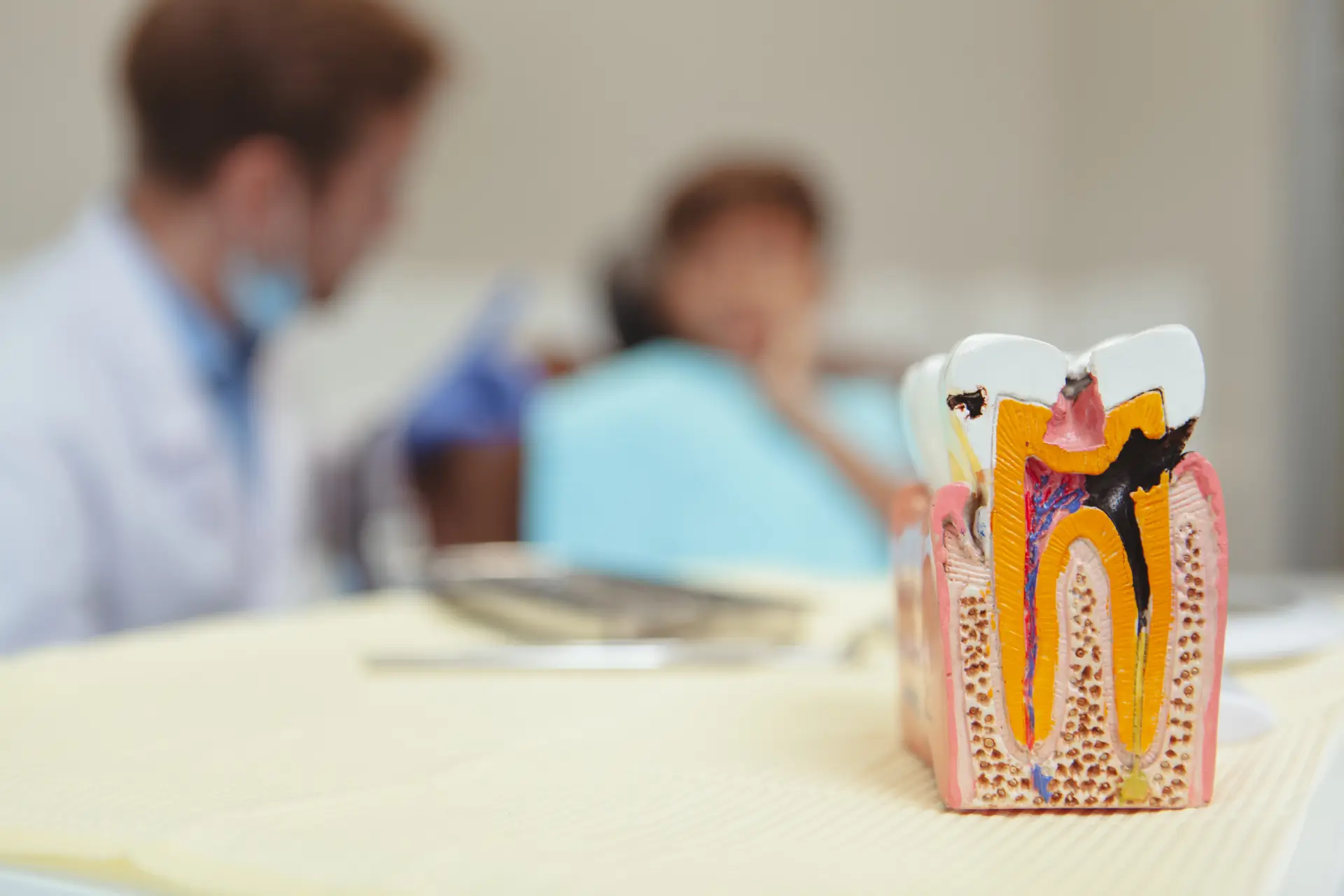
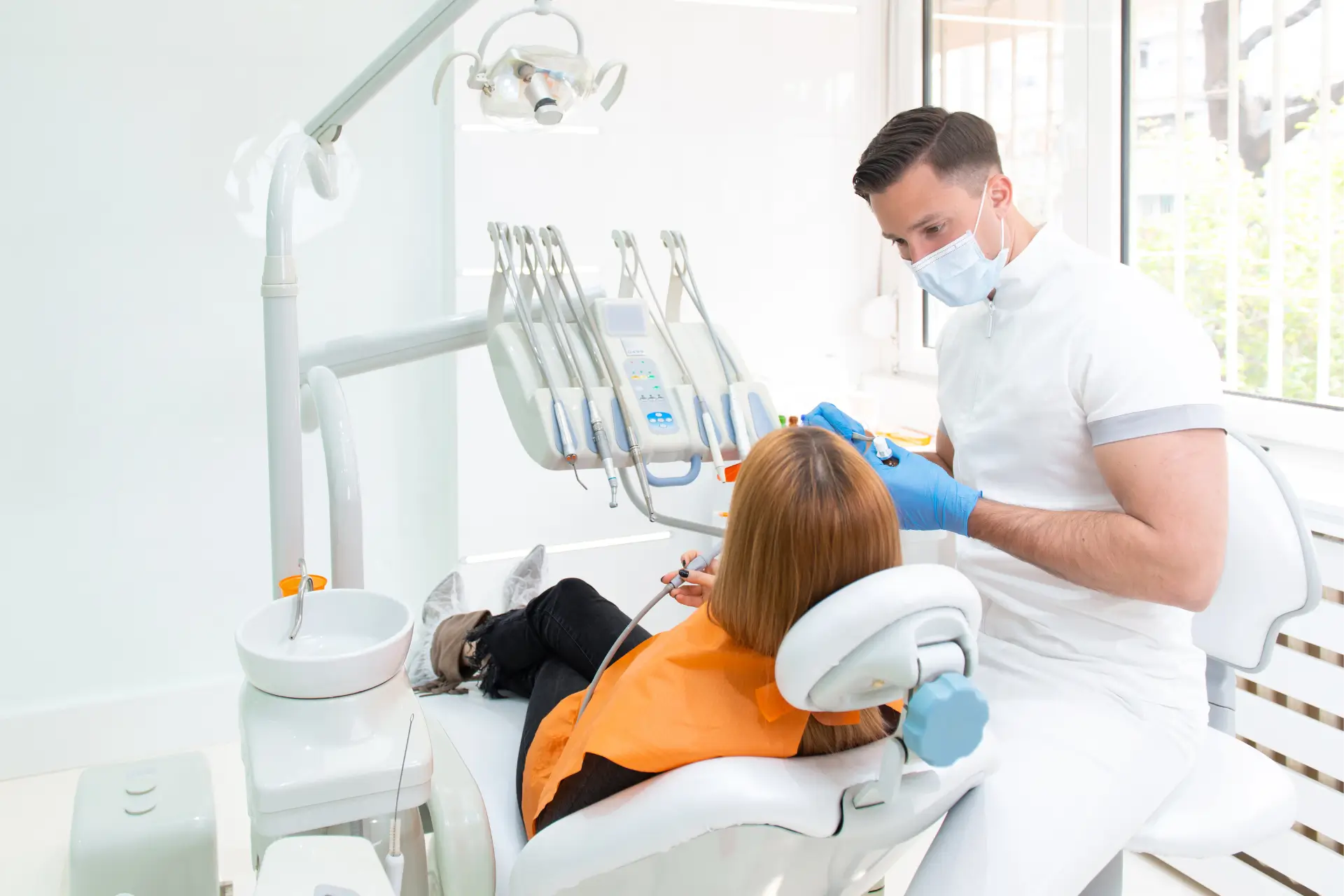
A blow to the mouth can turn an ordinary day into a frantic one in seconds. It happens during youth sports, at the gym, on a bike trail, in a parking lot, or from something as simple as slipping on wet tile at home. The first few minutes matter more than most people realize. What you do before you reach a dentist can affect pain, bleeding, swelling, and in some cases whether a tooth can be saved.
When people search for Dental Emergency Plano TX, they are usually not browsing casually. They are dealing with a cracked front tooth before a meeting, a child with a mouth full of blood after a soccer collision, or an adult who bit down after a fall and suddenly feels like their teeth do not fit together correctly. Those details matter, because not every dental injury is dramatic, and not every serious injury looks terrible at first glance.
A knock to the mouth can injure more than enamel. Teeth can loosen without obvious movement. The supporting bone can bruise or fracture. Lips and cheeks can split against the teeth. A jaw can be strained or fractured. Even a tooth that looks fine may develop nerve damage over the following days or weeks. That is why calm, sensible first aid and timely professional evaluation go hand in hand.
The first ten minutes set the tone
The scene right after an injury often feels worse than it is. Mouth injuries bleed heavily because the tissues are so vascular. A small cut on the lip can leave a shirt soaked and panic everyone nearby. The goal is not to diagnose everything on the spot. The goal is to control bleeding, protect the injured area, and avoid turning a manageable injury into a harder one.
Start by having the person sit upright and lean slightly forward. That helps reduce swallowing blood and makes it easier to see where the bleeding is coming from. If there is obvious dirt, grass, or debris, a gentle rinse with clean water can help. Do not swish aggressively. Forceful rinsing can restart bleeding and disturb an injured tooth or clot.
A cold compress on the outside of the face is one of the simplest useful steps. It will not fix the injury, but it can reduce swelling and take the edge off pain. Wrapped ice or a cold pack works better than placing ice directly on gums or lips.
If the person feels dizzy, seems unusually sleepy, has nausea, or may have hit their head, this is no longer just a dental question. Mouth trauma can come with concussion or facial injury, and that shifts the priority toward medical evaluation right away.
Not every knocked tooth is the same problem
One reason dental trauma causes confusion is that several different injuries can look similar to a nonprofessional. A tooth may be chipped, cracked, loosened, pushed deeper into the gum, shifted sideways, or completely knocked out. The treatment window is different for each one.
A small chip that only affects enamel may not be urgent in the same way as a displaced tooth, but it still deserves prompt care because sharp edges can cut soft tissue and deeper fractures are easy to miss. A tooth that looks longer or shorter than its neighbor may have moved in the socket. A tooth that feels “high” when biting can indicate trauma to the ligament or a subtle shift in position. A tooth that is bleeding from around the gum line after impact often raises concern for ligament or bone injury, even if the crown looks intact.
Children add another layer of judgment. Baby teeth and permanent teeth are managed differently. If a baby tooth is knocked out, replanting it is usually not advised because it can damage the developing permanent tooth underneath. If a permanent tooth is knocked out, time becomes extremely important.
If a permanent tooth is completely knocked out
This is the situation people remember most, and for good reason. A fully avulsed permanent tooth has the best chance of being saved when it is handled correctly and reimplanted quickly. The root surface is covered by delicate cells that matter for successful healing. Scrubbing, drying, or wrapping the tooth in tissue can damage those cells.
If you are dealing with a knocked out permanent tooth, the priorities are straightforward:
- Pick the tooth up by the crown, not the root.
- If it is dirty, rinse it briefly with milk or clean water, but do not scrub it.
- If possible, place it back into the socket gently and have the person bite on gauze or a clean cloth to hold it in place.
- If reinsertion is not possible, keep the tooth moist in milk or in the person’s saliva, such as inside the cheek if they are old enough not to swallow it.
- Get to a dentist immediately.
The difference between ten https://franciscoozap383.zenbloomer.com/posts/dental-emergency-plano-tx-for-cracked-molars-and-sharp-pain or twenty minutes and an hour can matter. That does not mean a tooth is hopeless after sixty minutes, but the odds tend to worsen as the tooth stays dry. In real practice, I have seen families make one avoidable mistake again and again: they focus on finding a container, calling relatives, changing clothes, or debating where to go while the tooth sits dry on a napkin. Moisture and speed are the two things worth remembering.
There are edge cases. A dirty playground fall can leave grit on the tooth, and parents naturally want to clean it thoroughly. Resist that urge. A brief rinse is enough. Another common question is whether tap water is “bad.” It is not ideal for long storage, but a short rinse is better than scraping dirt off the root. Milk is often the most practical holding medium because it is accessible and gentler on the cells than letting the tooth dry out.
When the tooth is chipped, cracked, or pushed out of place
Many trauma visits involve teeth that are still in the mouth but clearly not normal. A chipped front tooth may be a cosmetic emergency if a large portion is missing, but function matters just as much. A deep fracture can expose the inner tooth structure and create strong sensitivity to air or cold. A crack can also run below the gum line, where it becomes much harder to restore.
A displaced tooth is more urgent than a simple chip. If a tooth has shifted forward, backward, or sideways, do not keep testing it with your tongue or fingers. That repeated movement irritates the already injured ligament and can worsen swelling and pain. Soft foods, minimal contact, and prompt examination are the wiser path.
One teenage basketball player I once heard described by a colleague came in insisting he had only “bumped” a front tooth. The crown looked almost normal, with no dramatic fracture, but his bite had changed and he could not bring his back teeth together comfortably. X rays later showed the tooth had been subtly displaced and the surrounding bone had taken more force than anyone guessed at the scene. The lesson is simple: if the bite feels wrong after trauma, do not dismiss it just because the mirror view looks acceptable.
Bleeding from lips, gums, and tongue needs a different kind of attention
Soft tissue injuries often look dramatic. The inside of the lip in particular can split against the edges of the upper front teeth during a fall. The amount of bleeding can make the injury seem catastrophic even when the teeth are stable. Direct pressure is the most effective first step. Clean gauze works well, and a clean cloth can do the job if gauze is not available.
A tongue injury deserves respect because the tissue swells easily and can be painful for days. Small cuts often heal well on their own, but gaping lacerations, persistent bleeding, or injuries that interfere with normal speech or swallowing may need urgent medical or dental evaluation. Through and through lip injuries, where the cut extends from the inside to the outside, are also more likely to need formal repair.
Check for pieces of tooth in the lip if a tooth fractured during impact. It is not rare for a fragment to become embedded in swollen soft tissue. This can be missed in the moment and discovered later when a lump or sore spot remains.
Signs that should move this out of the “wait and see” category
Some injuries plainly need same day dental care, and a few call for emergency medical assessment without delay. The challenge is that people often normalize trauma if pain is moderate or if the person is embarrassed and wants to carry on. That is especially common with athletes and busy adults.
These warning signs should prompt urgent attention:
- A permanent tooth is knocked out, loose, displaced, or suddenly changes the way the bite fits.
- Bleeding continues after steady pressure for about ten to fifteen minutes.
- There is significant swelling, facial asymmetry, or difficulty opening the mouth.
- A tooth fracture exposes a pink or red center, or causes severe temperature sensitivity.
- There are signs of head injury, jaw fracture, or trouble breathing or swallowing.
Jaw injuries deserve specific mention. If the mouth does not open normally, if the teeth no longer come together in the usual way, or if there is numbness in the lower lip or chin after trauma, the problem may involve the jawbone rather than only the teeth. That needs prompt evaluation.
What to do about pain before you are seen
Pain control after a knock to the mouth is partly about comfort and partly about reducing the urge to poke at the injury. Cold compresses help, and many patients do well with over the counter pain relief if they can safely take it. Acetaminophen or ibuprofen are common choices, depending on age, medical history, and allergies. If bleeding is active, some people prefer to avoid anything that might complicate clotting, and if there is any uncertainty about medications, the safest move is to ask the treating office or the patient’s physician.
Food choices matter more than people think over the first day or two. Soft, cool foods are easier on traumatized teeth and tissues. Yogurt, smoothies eaten with a spoon, scrambled eggs, soup that is not too hot, oatmeal, and pasta are usually tolerated well. Crunchy foods, hard breads, nuts, chips, and anything very hot can make the area throb and may reopen soft tissue cuts.
Oral hygiene should not stop just because the area is sore. A dirty mouth heals poorly. The trick is to be gentle. A soft toothbrush, careful brushing away from the tender area, and mild warm saltwater rinses later in the day can keep things cleaner without stirring up the injury.
The dental exam is about more than the obvious broken part
People often expect the visit to focus on the chip they can see. In reality, a good trauma evaluation casts a wider net. Dentists check mobility, bite changes, tenderness to tapping, gum injury, and signs that a tooth has shifted in the socket. X rays help reveal root fractures, bone injuries, or fragments hidden in soft tissue. Sometimes photos are useful for documenting position and swelling over time.
One of the harder conversations after dental trauma is explaining that a tooth may test “alive” today and still develop problems later. The nerve inside a tooth can be stunned by impact. A tooth may darken, become sensitive, or lose vitality weeks or months after the event. Follow up is not busywork. It is how late complications are caught early enough to manage well.
That delayed piece matters for adults and parents alike. I have seen people feel relieved when the initial pain fades, only to be surprised later by discoloration or an abscess on a tooth they thought had recovered. Trauma can have a long tail.
Children, sports, and the baby tooth question
A child’s age changes the response. If a toddler or young child knocks out a baby tooth, most dentists do not want it pushed back in. The risk to the developing adult tooth underneath outweighs the benefit. The child still needs evaluation, especially if there is concern that the tooth may have been intruded, which means driven upward into the gum, or if pieces are missing.
With school age children and teenagers, it becomes crucial to know whether the injured tooth is permanent. By about age six, permanent lower front teeth may already be in. By seven or eight, many children have a mix of baby and permanent teeth. If there is any doubt, assume the tooth might be permanent and call for guidance immediately.
Sports injuries are their own category because so many are preventable. Mouthguards work. They are not glamorous, and they are not comfortable for the first practice or two, but they reduce the force transmitted to teeth and soft tissues. A custom guard generally fits and protects better than a boil and bite version, though even an over the counter guard is better than none. This is one place where experience tends to change behavior. Families who have gone through one front tooth injury become believers very quickly.
Plano realities, timing, and choosing where to go
In a fast growing city with active families, youth leagues, commuters, and packed schedules, dental injuries rarely happen at convenient times. A good response means deciding quickly whether the situation belongs with an emergency dentist, an urgent medical clinic, or an emergency room. If there is loss of consciousness, suspected jaw fracture, uncontrolled bleeding, significant facial trauma, or trouble breathing, the emergency room comes first. If the issue is isolated to the teeth and mouth without those red flags, an urgent dental visit is usually the most direct route.
For residents searching Dental Emergency Plano TX, it helps to call with a clear summary rather than simply saying “someone hit their mouth.” Mention the person’s age, whether the tooth is permanent or baby if you know, whether a tooth is loose or out, whether the bite feels wrong, and how long ago it happened. Those details help the office triage properly and tell you what to do on the way in.
Timing can also be affected by traffic, school pickup, and weekend sports schedules. That makes the at home steps even more important. When a knocked out permanent tooth is stored correctly and the office is alerted early, precious minutes are not lost to confusion.
A few mistakes that make a bad day worse
Most people do their best in the moment, but there are recurring errors that are worth avoiding. One is repeatedly touching or wiggling the injured tooth to “check” it. Another is handing a knocked out tooth to a child or tucking it into dry gauze. A third is assuming no pain means no real injury. Teeth and supporting structures can suffer meaningful trauma with surprisingly little immediate discomfort.
Alcohol based rinses are also a poor choice right after an injury. They sting, can irritate tissues, and do not add anything useful in early first aid. Very hot foods and drinks often increase throbbing. So does trying to chew normally on the injured side to “test it out.”
There is also a cosmetic trap. If a front tooth chip seems small and an event is coming up, some adults try to postpone care because the damage “doesn’t look that bad.” The visible break is only one piece. If the tooth is tender to biting or air, or if the gum around it is bleeding after trauma, waiting can complicate treatment.
Recovery over the next few days
Healing after a knock to the mouth is not always linear. Swelling may peak a day or two later. Bruising can spread downward with gravity and look worse before it looks better. Mild loosening of a tooth may improve gradually if the supporting ligament was bruised rather than torn. Soft tissue cuts inside the mouth often heal faster than expected, sometimes within a week or two, though they can be quite sore initially.
What matters during recovery is trend. Pain that slowly eases is reassuring. Pain that intensifies, especially with biting, swelling, bad taste, fever, or a pimple like bump on the gum, deserves attention. Changes in tooth color are also worth reporting. A tooth that turns gray, yellow, or pink after trauma should be evaluated, even if it is not painful.
Patients are sometimes frustrated when the first visit does not produce a final answer on long term prognosis. That is normal. Trauma care often involves observation, repeat testing, and staged decisions. A dentist may stabilize a tooth, smooth a fracture, prescribe supportive care, and schedule rechecks because the tissues need time to declare themselves.
Why prompt care protects more than appearance
Front teeth get all the attention because they are visible, but the real stakes are broader. A tooth saved quickly may avoid root canal treatment, extraction, implant therapy, or more extensive restorative work later. A bite that is corrected early may spare months of discomfort. Soft tissue injuries cleaned and managed properly tend to heal with fewer complications. Even when the outcome still requires repair, fast, careful first aid usually makes that repair simpler.
After a knock to the mouth, the right mindset is practical rather than panicked. Control the bleeding. Keep the area clean. Protect the tooth. Save a knocked out permanent tooth correctly. Get timely professional advice. Those basics do not require dental training, only a clear head for a few minutes.
That is often the difference between a traumatic story that ends with “we did what we could” and one that ends with “the tooth had a real chance.”
Vitality Dental
Address: 1220 Coit Rd #106, Plano, TX 75075
Phone number: +19726454100
FAQ About Dental Emergency Plano TX
What can the ER do for a tooth?
An emergency room (ER) can manage pain and treat severe infections with medication, but it cannot fix or pull a tooth.
What is considered a dental emergency?
A dental emergency is any oral health problem that involves severe pain, uncontrollable bleeding, or an infection that threatens your health or requires immediate care to save a tooth.
Is there a 24-hour dental service in Plano, TX?
There is no physical dental clinic in Plano, Texas, that stays open with walk-in staff 24 hours a day, but several offices offer 24/7 phone support, late-night hours, or same-day emergency care.