How an Emergency Dentist Can Restore a Damaged Smile Quickly

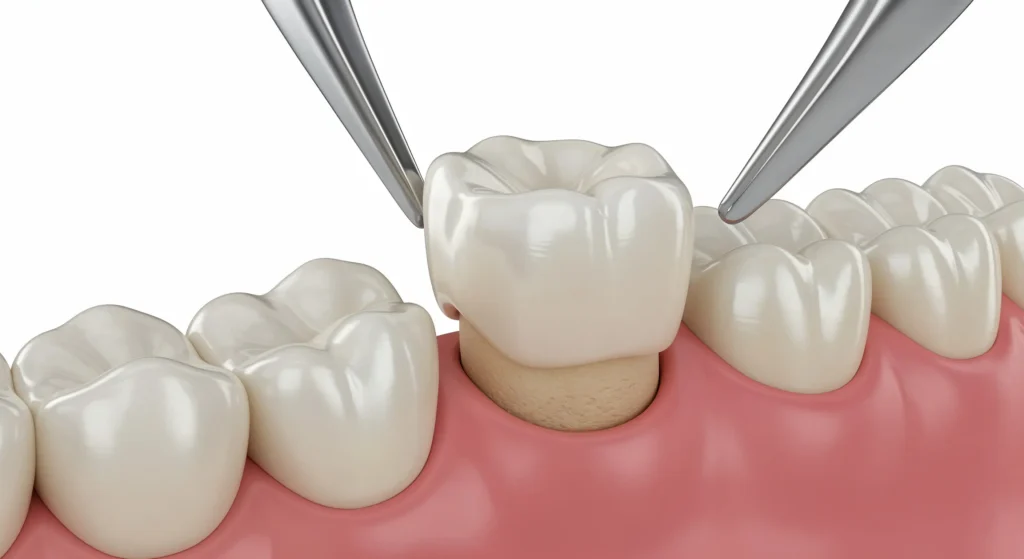

A damaged smile rarely arrives at a convenient time. It usually starts with a sharp crack while eating, a fall on a weekend, a sudden swelling before an important meeting, or a throbbing toothache that turns an ordinary evening into a long night. In those moments, speed matters, but so does judgment. The fastest fix is not always the right one, and the right emergency dentist knows how to balance immediate relief with a repair that gives the tooth, the gums, and the bite the best chance of recovering well.
People often imagine emergency dental care as limited to pain control, maybe a temporary filling or a quick prescription. In practice, a skilled emergency dentist can often do https://cruzzefb677.iamarrows.com/can-an-emergency-dentist-treat-mouth-sores-and-infections far more. Depending on the injury, they may rebuild a fractured tooth in a single visit, stabilize a loose tooth after trauma, reattach a crown, begin root canal treatment, drain an abscess, or create a temporary restoration that protects the smile until a permanent repair is ready. The word “emergency” suggests urgency, but it also speaks to precision. These appointments are less about rushing and more about making the right decisions under pressure.
What counts as a dental emergency
Not every dental problem needs same day treatment, but many do. Severe pain, swelling, bleeding that does not stop, a knocked out tooth, a cracked front tooth, facial trauma, or a lost restoration exposing sensitive tooth structure can all qualify. The urgency depends on what is damaged and how quickly that damage can worsen.
A small chip on a back tooth may be annoying rather than urgent. A fracture that runs into the nerve is different. So is an abscess causing visible swelling in the gum or face. If a crown falls off and the underlying tooth is intact, there is usually time to plan. If the tooth under that crown is decayed, breaking down, or painfully sensitive to air and water, waiting becomes risky.
Front teeth deserve special mention because the emotional impact is immediate. A person with a broken incisor is not just dealing with discomfort. They may be worried about speaking, smiling, working, or attending a family event. Restoring appearance quickly is part of emergency care, not vanity. In my experience, patients are often most relieved when they realize the problem can be made presentable that same day, even if a final restoration comes later.
The first hour often determines the outcome
There is a practical window after dental trauma when the choices made at home or at the scene can improve the final result. A knocked out permanent tooth is the clearest example. If the tooth can be kept moist and brought to an emergency dentist quickly, the odds of saving it improve significantly. Even a badly displaced or loosened tooth can sometimes be repositioned and splinted if seen soon enough.
For broken teeth, the first priority is protecting the area and avoiding extra damage. Sharp edges can cut the tongue or cheek. Exposed dentin can become intensely sensitive. A fracture line can deepen if the person keeps chewing on that side. Timing matters because what starts as a repairable crack can become a tooth that needs root canal treatment or extraction if ignored.
The same principle applies to infection. Dental swelling can move from manageable to serious faster than most people expect. A gum abscess is not merely a sore spot. It is a sign that bacteria have found a pathway through tissue, often because the tooth has died or periodontal infection has advanced. Pain medication may take the edge off, but it does not solve the pressure or stop the spread.
What an emergency dentist looks for right away
A strong emergency appointment begins with triage. The dentist is trying to answer a few important questions quickly. Is there an active infection? Is the pulp, the living center of the tooth, exposed or likely injured? Is the tooth restorable? Is the bite affected? Are there signs of jaw fracture or soft tissue injury that need medical rather than dental care?
A visual exam tells part of the story, but radiographs and clinical tests often make the real difference. A tooth can look only slightly chipped and still have a fracture extending deeper than expected. Another tooth can appear dramatically broken yet still be repairable with bonding and careful contouring. Mobility testing, percussion, thermal response, and bite evaluation help determine what can be done immediately and what should be staged.
This is where experience matters. A less seasoned clinician may focus only on what is obvious, such as replacing missing tooth structure. An experienced emergency dentist pays equal attention to the supporting structures, the gum line, the neighboring teeth, and the patient’s bite. A repair that looks fine in the mirror but hits too hard when the patient chews will fail faster than it should. Quick dentistry is still meticulous dentistry.
The treatments that can restore a smile on the spot
Emergency dental care has become much more capable than many patients realize. Composite bonding alone has changed what can be done in a single visit. A dentist can often rebuild the shape of a chipped or fractured front tooth in layers, matching color and translucency closely enough that a casual observer would not notice. When the fracture is clean and the piece of tooth is available, reattachment may also be possible in selected cases.
Crowns that have come off can sometimes be recemented the same day if the crown is still intact and fits properly. If the original crown cannot be reused, a temporary crown may restore appearance and function while a new one is made. Temporary restorations are underrated. A good temporary protects the tooth, helps the patient chew more comfortably, and preserves the look of the smile during the transition to a final repair.
For deeper injuries, emergency root canal treatment may be the step that makes rapid restoration possible. When a crack or fracture exposes the pulp, pain tends to be sharp, lingering, and difficult to control. Removing the inflamed or infected tissue can relieve that pressure and save the tooth from extraction. Once the tooth is stabilized, it can often be rebuilt temporarily and then restored permanently with a crown.
Loose or displaced teeth after trauma can sometimes be repositioned and splinted. The splint is usually a small, bonded support that holds the tooth in place while the surrounding tissues heal. This kind of treatment is time sensitive and technique sensitive. Done properly, it can preserve a natural tooth that otherwise might be lost.
There are also moments when the fastest path to restoring the smile is extraction followed by a short term cosmetic plan. If a tooth is split beyond repair, removing it may be the healthiest option. That does not mean the patient must leave with a visible gap. A temporary partial, an Essix style retainer with a replacement tooth, or another provisional option can often restore appearance quickly while the long term plan is arranged.
When pain relief is only part of the job
Many patients arrive assuming that if the pain stops, the problem is solved. Dentists know better. Pain is a symptom, not a treatment target by itself. A badly infected tooth may stop hurting once the nerve dies, even though the infection continues. A cracked cusp may calm down for a few days and then fracture further. A chipped front tooth may not hurt at all but still require prompt attention to prevent sensitivity, decay, or worsening breakage.
The best emergency dentist addresses both the urgent symptom and the structural reason behind it. That can mean smoothing a sharp edge and bonding it. It can mean draining an infection and opening the tooth. It can mean placing a sedative dressing under a temporary restoration, then scheduling definitive treatment within days rather than weeks. This layered thinking separates effective emergency care from a quick patch.
I have seen patients feel frustrated because they expected a permanent fix in one visit and were told they needed a staged approach. Often that decision is not a delay, it is sound clinical judgment. Swollen tissue may need time to settle before final impressions. A traumatized tooth may need observation to determine whether the nerve survives. A provisional restoration may be safer than forcing a permanent one onto a tooth with an uncertain prognosis. Fast care is good care when it respects biology.
Common emergencies and the likely response
Each type of damage calls for a different kind of urgency and repair. The emotional experience may feel the same to the patient, but clinically these are very different situations.
An uncomplicated chip on the edge of a front tooth is often the simplest scenario. If the nerve is not involved and the fracture is accessible, bonding can usually restore the tooth quickly. Shape, line angles, and surface polish matter here. Even a small repair can look unnatural if it is too flat or too opaque.
A cracked molar is more unpredictable. Cracks can hide beneath fillings or run between cusps. Some can be protected with a crown after evaluation. Others extend into the root and carry a poor prognosis. Emergency treatment may involve stabilizing the tooth, reducing the bite force on the cracked area, and managing the pulp if inflamed.
A lost filling or crown depends on what remains underneath. If the tooth has enough sound structure, a temporary or replacement restoration may be straightforward. If a large amount of tooth has decayed or fractured under the old restoration, the dentist may need to rebuild the core first or revise the treatment plan entirely.
A knocked out tooth requires the most immediate action. Reimplantation, stabilization, and follow up monitoring all matter. Success depends on how the tooth was handled, how long it was out of the mouth, and the patient’s age and injury pattern.
An abscessed tooth may need drainage, root canal access, or extraction depending on how much of the tooth is salvageable. Swelling, fever, difficulty swallowing, or trouble opening the mouth can signal a more serious infection pattern and may require urgent escalation.
What to do before you get to the office
A few simple actions can protect the tooth and make treatment easier once you arrive.
- Rinse gently with lukewarm water and remove obvious debris, but do not scrub an injured tooth or gum.
- If a tooth is knocked out, hold it by the crown, not the root, and keep it moist in milk or saliva if possible.
- Use a cold compress on the outside of the face for swelling or trauma.
- Avoid chewing on the injured side, and save any broken pieces of tooth or crown.
- Call an emergency dentist directly, describe the injury clearly, and ask whether they want to see you immediately.
Those steps are simple, but they are often the difference between a manageable visit and a more complicated one. I have seen excellent outcomes after accidents that looked dramatic at first, largely because the patient protected the tooth properly and came in quickly. I have also seen restorable teeth become unrestorable after a day or two of chewing on a fractured edge.
The difference between a temporary repair and a definitive one
One of the most useful conversations in emergency dentistry is setting expectations. Same day treatment can restore a smile quickly, but that does not always mean the final treatment is complete. There is a real difference between immediate stabilization and long term reconstruction.
Take a broken front tooth after a sports injury. A dentist may be able to bond it beautifully that afternoon, allowing the patient to return to work or school without embarrassment. That repair may hold for years if the fracture is favorable and the bite is kind. Or it may be serving as an interim solution while the tooth declares whether the pulp remains healthy. If discoloration, pain, or nerve damage develops later, root canal treatment and a crown or veneer may become necessary.
The same applies to crowns and large posterior fractures. A temporary crown can feel like a lifesaver. It protects the tooth, restores form, and lets the patient function. But its job is transitional. Temporary materials are not designed to carry long term chewing forces the way a final ceramic or metal based restoration can.
Patients do better when they understand this distinction from the start. It prevents disappointment and helps them value the emergency appointment for what it truly is, rapid protection of both appearance and oral health.
How an emergency dentist decides whether a tooth can be saved
This is often the most emotionally charged part of the visit. People want certainty. They want to hear that the tooth can be fixed and that everything will be normal again. Sometimes that is exactly what happens. Sometimes the honest answer is more nuanced.
The decision depends on how much healthy tooth remains, whether the fracture extends below the gum line, whether the root is cracked, how much bone support is present, and whether infection has undermined the surrounding tissues. A tooth can look dramatic and still be quite salvageable. Another can appear minor on the surface and prove structurally hopeless.
There is also the question of predictability. Dentistry is not only about what is technically possible. It is about what is likely to hold up. A heroic repair on a badly compromised tooth may buy a little time, but if the chance of failure is high, the dentist has to weigh that against cost, discomfort, and the patient’s goals. Sometimes preserving a smile quickly means moving efficiently toward replacement rather than investing in a doubtful rescue.
That judgment is where professional experience shows. The best emergency dentists are neither too aggressive nor too passive. They do not extract teeth that could be saved, and they do not oversell temporary victories on teeth with a poor prognosis.
Cosmetic priorities matter in an emergency
Dental emergencies are often discussed in medical terms, but the cosmetic side can be just as urgent for the person sitting in the chair. A broken front tooth changes how a person speaks, smiles, and carries themselves. I have watched patients arrive covering their mouth with a hand and leave an hour later visibly calmer because they can smile again.
Emergency cosmetic restoration does not mean vanity work. It means understanding how deeply appearance affects confidence and daily function. A careful composite repair, a polished temporary crown, or a well designed provisional tooth replacement can make a tremendous difference in those first days after injury.
Shade matching in an emergency is not always perfect, especially if there is bleeding, dehydration of the enamel, or limited time. Still, a skilled clinician can usually achieve a result that looks natural enough to get the patient through a social event, work obligation, or family photographs. Later, once tissues recover and lighting conditions are controlled, refinements can be made.
Signs you should not wait until next week
Some dental problems can tolerate a short delay. Others should not.
- Swelling in the gum, jaw, or face, especially if it is spreading
- A knocked out or displaced permanent tooth
- Uncontrolled bleeding after trauma or extraction
- Severe, constant pain that does not ease with basic pain relief
- A broken front tooth or large fracture exposing sensitive inner tooth structure
If any of those are present, an emergency dentist should be contacted as soon as possible. For children, the details matter even more because primary teeth and developing permanent teeth require different handling. A pediatric emergency still benefits from prompt evaluation, even when the injury seems small.
Why speed matters, but preparation matters too
People naturally focus on how fast they can be seen, and that is reasonable. Yet the quality of the visit also depends on what the practice can do once you arrive. An office that handles emergencies well usually has diagnostic imaging ready, materials for temporary and definitive repairs, and systems for triage. They know how to reserve time for urgent patients without turning the appointment into a hurried stopgap.
This is especially important when the smile zone is involved. Rebuilding a front tooth well takes more than placing material where the break occurred. It requires attention to edge position, texture, contour, bite contact, and polish. That kind of treatment is efficient only when the team is organized and the dentist is comfortable making real time decisions.
If you are searching during a crisis, ask direct questions. Can they see dental trauma today? Do they treat infections and facial swelling? Can they manage broken crowns or fractured front teeth on site? A true Emergency Dentist should be able to explain not only appointment availability, but the types of treatment they commonly provide in urgent cases.
Aftercare often determines how well the repair lasts
The emergency appointment is only the first chapter. What happens over the next few days and weeks affects the durability of the result. Soft diet recommendations are common for a reason. Fresh bonding, splinted teeth, and temporary crowns all benefit from reduced force while tissues recover and definitive plans are finalized.
Patients are sometimes surprised that a repaired tooth feels slightly different at first. It may be tender to biting after trauma, or mildly sensitive after a fracture repair. Those symptoms are not always signs of failure, but they should be monitored. Worsening pain, increasing mobility, swelling, or a bite that feels high should prompt a follow up call.
Longer term care can include root canal treatment, a crown, a veneer, a replacement filling, periodontal therapy, or implant planning if the tooth could not be saved. The emergency visit buys time, relieves distress, and protects the smile. The full treatment plan secures the future.
A damaged smile can feel overwhelming in the moment, especially when pain, embarrassment, and uncertainty hit all at once. The reassuring truth is that modern emergency dentistry is built for exactly these situations. With prompt evaluation, careful triage, and the right mix of immediate and staged treatment, an emergency dentist can often restore comfort and appearance far faster than patients expect. The key is not merely getting in quickly. It is getting to a clinician who knows how to make fast decisions without sacrificing the long term health of the teeth and the smile.
Simple Dental South Gate
Address: 8617 California Ave, South Gate, CA 90280
Phone number: +13236896118
FAQ About Emergency Dentist Southgate CA
What can the ER do for a tooth?
The emergency room can provide temporary symptom relief for a bad tooth, such as prescribing pain medicine or antibiotics, but it cannot fix the actual dental problem.
What is the 3-3-3 rule for tooth infection?
The 3-3-3 rule for a toothache or infection typically means taking three 200 mg ibuprofen tablets (600 mg total) three times a day for no more than three days to control pain and swelling while waiting to see a dentist.
What do you do if you have a dental emergency but no dentist?
If you have a dental emergency and no regular dentist, you should search for an urgent care dental clinic, call local walk-in dental offices, or go to a hospital emergency room if you have severe bleeding, swelling, or trouble breathing.