Invisalign for Working Adults: Confidence Without Metal Braces
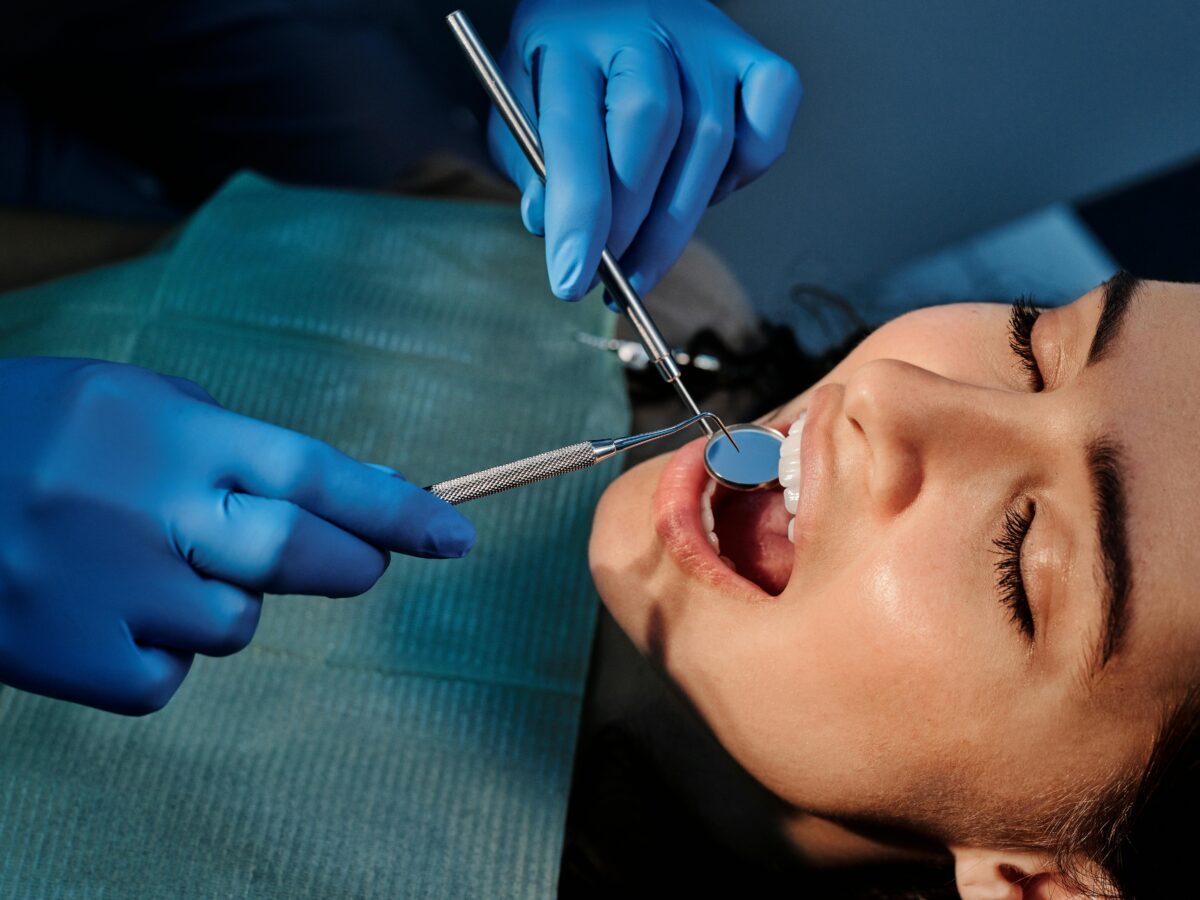
For many adults, the idea of straightening teeth has less to do with vanity than with timing. They have spent years building a career, speaking in meetings, managing teams, presenting to clients, or working face to face with customers. They are long past the age when metal braces feel socially invisible. What stops them is not a lack of interest. It is the thought of drawing attention to their mouth at exactly the point in life when they want to appear polished, capable, and at ease.
That tension is one reason Invisalign has become such a practical option for working adults. The appeal is obvious on the surface: clear aligners instead of brackets and wires. But the real value goes deeper. For professionals, treatment has to fit around long workdays, business meals, travel, video calls, and the simple fact that adult life runs on schedules. A treatment that looks discreet but is difficult to live with will not stay discreet for long. It will simply become another stressor.
When Invisalign works well, it does so because it respects how adults actually live. It asks for consistency, but it also gives something back: fewer visual compromises, fewer emergency appointments, and a level of flexibility that metal braces rarely offer.
Why appearance matters more at work than people admit
Most adults are careful not to say, “I do not want braces because I am worried about how I will look.” They tend to phrase it more politely. They talk about professionalism, communication, or convenience. But in practice, confidence and appearance are closely tied, especially in the workplace.
Anyone who has ever become self-conscious about their teeth knows the small changes it creates. They smile with their lips closed in photos. They angle their face during presentations. They cover their mouth when laughing. They avoid speaking up until they have to. None of those habits are dramatic on their own, but over time they affect how a person feels in professional settings.
Metal braces can solve one problem while temporarily creating another. They are effective, but they are visible. For a middle manager interviewing for a promotion, a lawyer meeting clients, a sales executive working dinners, or a healthcare professional speaking with patients all day, visible brackets can feel like a distraction, even if nobody else comments on them.
Invisalign offers a different experience. Most people standing a few feet away will not notice aligners unless they already know to look. On video calls, they are even less obvious. That subtlety matters. It lets adults start treatment without feeling that their dental correction has suddenly become part of their professional identity.
The practical advantage of clear aligners
The cosmetic benefit gets most of the attention, but the day-to-day practical side is what often convinces busy adults to stick with treatment.
Traditional braces stay on around the clock. That means food restrictions, more difficult cleaning, and the occasional broken bracket at the worst possible time. If you have ever tried to schedule an urgent orthodontic visit between board meetings or before a flight, you quickly understand how much convenience matters.
Invisalign trays are removable. That changes the rhythm of treatment. You take them out to eat, brush, floss, and then put them back in. It sounds simple, and in many ways it is, but the simplicity is exactly what makes it work for professionals. You do not have to wonder whether spinach is stuck around a bracket before a presentation. You do not have to decline foods at a business lunch because they might damage wires. You can brush properly before returning to work, which is not a small thing for anyone who spends the day talking at close range.
There is also a psychological benefit in being able to remove aligners briefly when truly necessary. A wedding toast, a formal headshot, a major client pitch, or an important networking event may not be the right moment to feel distracted by your treatment. Clear aligners still require discipline, but adults often appreciate having some control.
That said, removable treatment is not the same as optional treatment. Invisalign succeeds when the trays are worn for the recommended number of hours each day, often around 20 to 22 hours. Adults who do best tend to treat that rule the way they treat any other non-negotiable professional commitment. They build it into their routine and do not spend much time bargaining with it.
What treatment actually feels like
A lot of working adults are less worried about how Invisalign looks than how it feels while they are trying to do their job. That is a sensible concern.
New trays usually create pressure for a day or two. Pressure is normal. It means the teeth are being guided into position. Most patients describe it less as pain and more as tightness, especially when removing the aligners for meals. Compared with wire adjustments, many adults find it easier to tolerate, but it is still an active orthodontic treatment, not a cosmetic accessory.
Speech can change slightly at the start. Some people notice a mild lisp for a few days, particularly with certain sounds. In professional settings this can feel bigger than it is. I have seen adults worry intensely before treatment, only to find that colleagues either did not notice or stopped noticing almost immediately. The adjustment period is usually short, and many people adapt within several days by simply speaking more.
Dry mouth can also be an issue early on, especially for people who already spend long days talking. Keeping water nearby helps. So does resisting the temptation to constantly take the aligners out. Frequent removal slows adaptation and often makes the trays feel more intrusive than they really are.
The first week is rarely glamorous. The second or third week is often when people realize they can do this.
Who tends to be happiest with Invisalign
Invisalign is an excellent choice for many working adults, but not for every adult and not for every orthodontic problem. The best outcomes happen when there is a good match between the patient, the case, and the level of commitment.
Adults who tend to be happiest with clear aligners usually share a few traits:
- They want discreet treatment and care enough about appearance to stay motivated.
- They have routines solid enough to support wearing trays consistently.
- They are willing to brush and floss after meals rather than improvising.
- They understand that progress depends on compliance, not just the product itself.
- They have bite or alignment issues that are appropriate for aligner-based treatment, as confirmed by a qualified dentist or orthodontist.
The opposite is also worth saying plainly. If someone frequently snacks without structure, misplaces important items, travels in chaos, or knows they are unlikely to wear trays as directed, metal braces may actually be the easier and more reliable path. Fixed appliances remove the temptation to negotiate with the process.
That is not a judgment. It is just an honest fit issue, much like choosing between a gym membership and a personal trainer. One offers flexibility, the other offers built-in accountability.
Office life, client dinners, and the social mechanics of treatment
The mechanics of Invisalign are straightforward in a clinical sense. The social mechanics are where adults often have questions.
Workdays rarely unfold in neat intervals. A breakfast meeting turns into coffee with a colleague. Lunch runs late. Someone brings birthday cake to the office. A client dinner stretches two hours longer than planned. If you are in treatment, every one of those moments becomes a small decision point.
Adults who manage Invisalign well usually keep the process low drama. They excuse themselves to the restroom after eating, rinse or brush, and put the trays back in. After a week or two it becomes ordinary. The people around them are generally paying far less attention than they imagine.
Travel requires more planning, though not much more. A spare case matters. So does a toothbrush kit, floss, and perhaps travel-size mouthwash. I have known professionals who learned this lesson after wrapping aligners in a napkin during a restaurant meal and watching them disappear with the plates. It sounds trivial until you are trying to explain to your provider why your current tray ended up in the trash at an airport steakhouse.
The business meal question comes up often. Can you remove aligners discreetly? Yes, usually. Most adults excuse themselves briefly rather than handling trays at the table. That is one of those real-life details people appreciate hearing in advance. Treatment is easiest when it has been mentally integrated into normal etiquette.
Coffee drinkers face another common issue. If you wear the trays while drinking hot coffee, staining can become noticeable over time, and very hot liquids are not ideal. Many adults end up consolidating their coffee into shorter windows instead of sipping over three hours. That habit alone can improve https://medium.com/@omnidentalspecialty/about wear time.
The discipline factor nobody should ignore
The marketing around Invisalign can make it sound effortless. It is not. It is convenient, discreet, and often highly manageable, but it still asks for discipline every day.
For working adults, that discipline often comes down to small, repeatable habits. Taking trays out only for meals. Putting them back in promptly. Keeping them clean. Switching to the next aligner on schedule. Wearing elastics if prescribed. Showing up for check-ins even when life is crowded.
The adults who breeze through treatment are not necessarily the ones with the easiest cases. They are often the ones who build systems. A tray case lives in the laptop bag. A spare toothbrush stays at the office. Calendar reminders cue tray changes at night rather than in the middle of the day. The process stops feeling like a constant decision and starts functioning like any other mature routine.
One executive I once spoke with described it perfectly. She said the only way Invisalign worked for her was when she stopped thinking of it as “something extra” and treated it the same way she treated charging her phone or taking her medication. Once it became standard maintenance, compliance stopped feeling burdensome.
That framing is useful because it removes the emotional friction. Adults do not usually fail at treatment because they do not understand the rules. They struggle because the rules collide with a full life. Systems reduce that collision.
How Invisalign compares with metal braces in adult professional life
For adults weighing their options, the comparison is not just clinical. It is lifestyle-based.
Metal braces remain a strong treatment option and, for certain tooth movements, may be the better tool. They do not rely on the patient remembering to put them back in. They can also be more efficient in some complex cases. But they come with trade-offs that many professionals care about: higher visibility, dietary limits, trickier hygiene, and occasional hardware issues.
Invisalign shifts those trade-offs. It is less visible, easier for oral hygiene, and more forgiving in social or professional settings. But it places more responsibility on the patient. You cannot enjoy the flexibility without also accepting the accountability.
A simple way to think about it is this: braces are always working because they are always on; Invisalign works beautifully when you actually wear it. For many adults, that is a worthwhile exchange. For others, especially those who know they thrive with external structure, fixed braces may still make more sense.
Cost, value, and what adults are really paying for
The question of cost deserves a clear-eyed answer. Invisalign is often in the same general price range as braces, though fees vary widely by location, provider experience, case complexity, and treatment length. Some cases are straightforward and relatively short. Others require refinements, attachments, elastics, or longer monitoring.
What adults are really evaluating is not only the fee, but the value of fewer visible compromises during treatment. If you spend much of your week in front of clients, on camera, or in leadership settings, discretion has practical value. So does easier hygiene, fewer food restrictions, and the ability to maintain a more normal appearance throughout the process.
Insurance may cover part of adult orthodontic treatment in some plans, though many plans have limitations or age caps. Health savings accounts or flexible spending accounts can help. Payment plans are common. The important point is not to compare headline prices without understanding what is included. Retainers, refinement trays, records, and follow-up visits can affect total value.
Adults tend to make better decisions when they stop asking, “What is the cheapest way to straighten my teeth?” and start asking, “What treatment can I realistically complete well?” A lower-cost option that does not suit your habits can become more expensive in time, frustration, and compromised results.
The emotional side of adult orthodontics
There is also an emotional layer that rarely gets discussed openly. Adults who seek orthodontic treatment often carry a long history with their teeth. Maybe they had braces as teenagers and relapsed because they stopped wearing retainers. Maybe their family could not afford treatment when they were younger. Maybe crowding worsened gradually, and only after seeing themselves on video calls did they decide they were finally ready.
That history matters because it shapes expectations. Some adults come in excited. Others feel faintly embarrassed that they are addressing it now. Neither reaction is unusual.
What often surprises them is how quickly treatment becomes a source of relief rather than self-consciousness. Once the decision is made and the process has started, many people feel they have stopped postponing something that bothered them for years. There is a quiet confidence in that. Not because every tray change is enjoyable, but because momentum replaces hesitation.
Professional confidence is not just about how others see you. It is also about no longer being preoccupied by something you have wanted to change for a long time.
Choosing the right provider matters as much as choosing the right system
Not all Invisalign treatment is the same. The trays may come from the same brand, but diagnosis, planning, and oversight differ significantly from one provider to another.
A working adult should look for a provider who understands both the clinical and practical sides of treatment. That means an honest assessment of whether aligners are appropriate, a realistic estimate of treatment time, and clear guidance on what daily compliance will require. It also means being upfront about limitations. Some cases need attachments that make the aligners slightly more noticeable. Some require elastics. Some may be possible with Invisalign but more predictable with braces.
A good consultation should leave you with clarity, not sales pressure. If a provider glosses over compliance, promises a perfect timeline without caveats, or avoids discussing alternatives, that is a warning sign. Adult patients generally do best when treated like adults, with direct answers and practical expectations.
What success looks like after treatment
The obvious goal is straighter teeth, but the real finish line includes more than alignment. A successful Invisalign experience for a working adult usually means that treatment fit into life without taking it over. It means the person kept showing up professionally, socially, and personally while their teeth improved in the background.
There is also the matter of retention. Teeth move. Anyone considering orthodontic treatment should accept that retainers are part of the long game. Adults who are motivated enough to choose treatment are usually capable of maintaining results, but it helps to go in with open eyes. The process does not end the day the final tray comes off.
Still, for many professionals, that maintenance feels minor compared with the years spent delaying treatment. Once their smile no longer feels like something to manage or hide, the return is felt in ordinary moments: a relaxed laugh in a meeting, a photo taken without hesitation, a presentation delivered without that familiar self-consciousness at the back of the mind.
That is the real promise behind Invisalign for working adults. Not perfection. Not invisibility in every possible angle or circumstance. Just a credible, modern way to improve your smile without asking you to wear your orthodontic treatment as the first thing everyone notices. For a lot of professionals, that balance is exactly what makes them finally say yes.
Omni Dental Specialty
Address: 1690 E Gonzales Rd, Oxnard, CA 93036
Phone number: +18053666000
FAQ About Invisalign
How much does Invisalign actually cost?
The out-of-pocket cost for Invisalign typically ranges between $3,000 and $8,000, with most patients paying a national average of roughly $5,100 to $5,700 before insurance.
What is the downside to Invisalign?
The biggest downsides to Invisalign are the intense discipline required to wear the trays 22 hours a day, the inconvenience of removing them to eat or drink, and the inability to fix severe, complex orthodontic issues.
Is $5000 a lot for Invisalign?
No, $5,000 is not considered a lot for Invisalign; it is exactly the national average. Treatment costs typically fall between $3,000 and $8,000, and $5,000 is the standard fee for a moderately complex case that takes 6 to 18 months to complete.