Same-Day Dental Crowns: Are They Worth It?
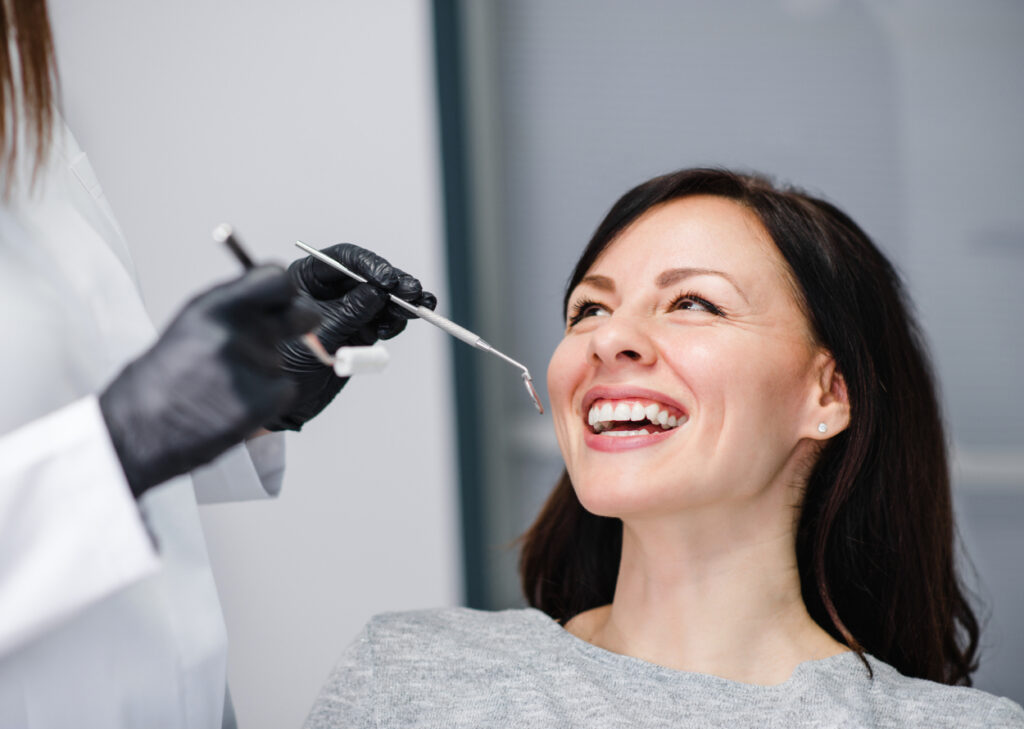
A same-day crown sounds almost too convenient. You walk into the office with a damaged tooth and leave a few hours later with a finished restoration bonded in place. No temporary crown, no second appointment, no week or two of waiting for a lab case. For a patient with a busy schedule, or for anyone who has ever had a temporary pop off at the worst possible moment, that promise is appealing.
But convenience alone is not a good reason to put a restoration on a tooth. A crown has to fit well, protect the remaining tooth structure, hold up under chewing forces, and look believable in the mouth. If any of those pieces are compromised, the time saved at the start can be lost later in adjustments, repairs, or replacement.
So, are same-day dental crowns worth it? Often, yes. But not always, and not for every tooth, every patient, or every clinical situation. The right answer depends on the condition of the tooth, the bite, the cosmetic expectations, the materials being used, and the dentist’s workflow.
What a same-day crown actually is
A same-day crown is typically made in the dental office using digital scanning, computer design, and an in-office milling machine. Instead of taking a traditional impression and sending it to a dental laboratory, the dentist scans the prepared tooth, designs the crown on a screen, mills it from a ceramic block, then finishes and bonds or cements it the same day.
That sounds straightforward, but there is a lot packed into that process. The scan has to capture the margins precisely. The software design must account for contacts, bite pressure, thickness of material, and contour. The milling unit has to reproduce that design accurately. Then the crown often needs staining, glazing, polishing, or crystallization depending on the material. A lot can go very right, or a little wrong at several points.
From the patient’s perspective, the appointment is usually longer than a standard crown preparation visit. Instead of one shorter prep appointment and one shorter delivery appointment, you get one more involved visit. In many offices that means around two hours, sometimes more if the case is complex.
Why patients are drawn to them
The appeal is not hard to understand. Traditional crowns are reliable, but they come with friction. Temporary crowns can break, leak, irritate the gums, or simply feel awkward. Some patients are careful with them, others forget and chew sticky candy the same evening. Then the office gets an urgent call because the temporary came off over the weekend.
Same-day crowns remove much of that hassle. There is one anesthetic visit, one block of time on the calendar, and no temporary phase. For people who travel for work, parents juggling childcare, and patients who are frankly nervous about dental appointments, that matters. I have seen people choose treatment sooner because the one-visit option made it feel manageable.
There is another benefit that patients do not always appreciate until afterward: less chance of drift or change between appointments. With a traditional crown, the tooth is prepared on one day and the final restoration is delivered later. During that interval, even a good temporary can allow small shifts in gum tissue position or bite feel. With same-day crowns, the final fit is established on the day the tooth is prepared.
Where same-day crowns tend to shine
Posterior teeth, especially molars and premolars, are often strong candidates. These teeth take heavy forces, but they usually have less demanding cosmetic requirements than front teeth. If the tooth preparation is clean and the bite is not unusually complicated, a same-day ceramic crown can work very well.
The technology is especially useful when a patient has a fractured cusp, a heavily restored tooth, or a failing old crown that needs prompt replacement. In those situations, speed is not just a convenience feature. It can help stabilize a vulnerable tooth quickly and reduce the time it spends under a temporary restoration.
Same-day crowns can also be a smart option for patients who have a strong gag reflex. Digital scanning is often easier to tolerate than impression trays full of material. Anyone who has had a tray trigger gagging for two minutes straight tends to appreciate that difference immediately.
Where caution makes sense
The marketing around same-day dentistry can make it sound as if one method has replaced the other. It has not. There are still plenty of cases where a traditional lab-fabricated crown is the better choice.
Highly visible front teeth are one example. A skilled dentist can produce beautiful same-day anterior crowns, but matching translucency, surface texture, internal shading, and adjacent tooth character can be more demanding than what a single milled block can deliver in-office. A good lab technician often has more tools for fine esthetic layering and customization, especially in difficult smile-zone cases.
Teeth with deep margins, limited access, bleeding at the gumline, or subgingival decay can also be tricky for digital capture. If the scanner cannot read the margin clearly, the resulting crown may look fine from the top and still fail where it counts most, at the edge where tooth and crown meet. That interface matters enormously for longevity and gum health.
Patients with heavy grinding, clenching, unstable bite patterns, or limited room between the upper and lower teeth may need more case-specific planning. In those cases, material choice becomes critical. The fastest option is not automatically the strongest or the most forgiving.
The real question is not speed, it is execution
A common misconception is that same-day crowns are a product. They are really a process. The quality of that process varies from office to office.
An excellent same-day crown is possible when the dentist understands preparation design, material science, occlusion, bonding protocols, and digital workflow. A mediocre same-day crown is possible when the office buys the equipment but has not fully mastered the details. That is true in every area of dentistry, but digital workflows make it especially visible. The software can feel easy. Precision still is not.
The best offices do not treat the technology like a shortcut. They use it like an instrument. They inspect the margins on screen, adjust contacts thoughtfully, verify clearance, refine the milled restoration, and check the bite carefully at delivery. If needed, they will abandon the same-day route and send a case to a laboratory rather than force a poor fit.
That judgment is what patients are really paying for.
How they compare with traditional crowns
Traditional crowns involve more steps and more waiting, but that does not make them outdated. A well-run lab case remains a strong standard, especially when the anatomy is complex or the esthetic demand is high. Skilled lab technicians can often achieve nuance that is difficult to reproduce chairside.
On the other hand, traditional workflows have their own weak points. Physical impressions can distort. Temporaries can fail. Some patients never quite chew comfortably on a temporary, which means two weeks of guarding one side of the mouth. If the temporary leaks or loosens, sensitivity can become a problem before the final appointment.
Same-day crowns trade those issues for a different set of demands. The appointment is longer, the digital records must be precise, and the material choices may be narrower depending on the office. When it works well, it is efficient and elegant. When the case is not ideal for it, traditional fabrication may produce a better result.
Materials matter more than most patients realize
Not all crowns are made from the same thing, and that affects whether a same-day option is worth it. In-office systems often use ceramic materials such as lithium disilicate or zirconia-based options, though workflows differ by manufacturer and office preference.
Lithium disilicate has a reputation for good esthetics and respectable strength when used appropriately. It can be an excellent material for many single crowns. Zirconia is known for higher strength, though esthetics vary depending on the type and translucency. The right material depends on the location in the mouth, how much tooth remains, the bite pattern, and whether the crown will be bonded or conventionally cemented.
Patients sometimes ask for the “strongest” crown as if that settles the issue. Strength matters, but so do fit, thickness, prep design, bond quality, and bite adjustment. A very strong material placed on a poorly managed bite can still chip opposing teeth, feel off, or fail at the margin. Material selection is important, but it is only one chapter of the story.
Fit, margins, and bite decide whether the crown lasts
When crowns fail early, it is often not because the concept of same-day dentistry was flawed. It is because one of three fundamentals was off: fit, margins, or bite.
Fit refers to how intimately the crown seats on the prepared tooth. If internal fit is poor, the crown may not seat fully or may rely too much on the cement layer. Margins are the edges. If they are open, rough, or overcontoured, the crown can trap plaque, inflame the gums, or allow recurrent decay over time. Bite refers to how the crown contacts the opposing teeth during normal chewing and side-to-side movement. If it hits too hard, patients feel it quickly, and the tooth, crown, or surrounding structures may eventually complain.
A crown can look polished and still be wrong in one of these ways. Patients usually judge by feel first. Dentists should judge by biology and mechanics. If a same-day crown is well seated, well sealed, and well adjusted, it can serve very nicely. If not, same day becomes beside the point.
The cost question
Same-day crowns are usually priced in the same general range as traditional crowns, though fees vary by region, office overhead, materials, and insurance contracts. Some patients expect same-day crowns to be cheaper because there is no outside lab fee in the traditional sense. In reality, the office has invested heavily in scanners, milling units, software, maintenance, training, and blocks or burs. The fee structure often reflects that.
From a value standpoint, cost should include more than the line item on the treatment estimate. One fewer appointment can mean less time off work, fewer transportation issues, less childcare coordination, and lower chance of temporary-related emergencies. For some people, that is substantial value. For others, especially if the case would benefit from lab artistry, a traditional crown at a similar price may be the better investment.
Insurance usually does not care whether the crown was made in one visit or two. Coverage tends to follow the procedure code and plan terms, not the workflow. It is still worth asking the office to estimate benefits, because replacement frequency clauses, missing tooth clauses, and downgrades for materials can affect the out-of-pocket amount.
Cosmetic expectations deserve an honest conversation
This is where I see the biggest mismatch between patient expectations and chairside reality. If the tooth is in the back and the goal is a durable, comfortable restoration, same-day crowns often satisfy very well. If the tooth is a central incisor under bright office lighting, and the patient notices every tiny color variation in the mirror, that is a different conversation.
A single front tooth can be one of the hardest restorative challenges in dentistry. Matching neighboring teeth is not just about shade tabs. It is about translucency at the edge, faint white lines, surface gloss, age-related wear, and how the tooth behaves under different https://jarednevq817.huicopper.com/how-to-extend-the-life-of-your-dental-crowns light. An office can produce excellent same-day results, but the margin for disappointment is higher when expectations are exacting.
Good dentists know this. They do not oversell convenience when esthetics should drive the decision.
What the appointment feels like
Most same-day crown visits follow a predictable rhythm. The dentist numbs the tooth, removes decay or the old restoration, shapes the tooth, and takes a digital scan. Then the crown is designed on the computer. The milling phase may take several minutes to around half an hour depending on the machine and material. During that time, patients often sit back, listen to music, or watch the milling process if the unit is in the operatory.
After milling, the crown may need additional finishing before it is tried in. The dentist checks the contacts, margins, color, and bite, then bonds or cements it. If bonding is indicated, isolation and surface treatment steps become especially important. Rushing the final phase is where avoidable errors can creep in.
Patients often leave impressed by how streamlined the process feels. They also leave tired. It is still dental work, just concentrated into one sitting.
Who tends to be a good candidate
These are the situations where same-day Dental Crowns often make practical sense:
- a cracked or heavily filled back tooth that needs prompt coverage
- a patient who wants to avoid a temporary crown and a second anesthetic visit
- a case with clean, accessible margins that scan well
- a patient with a strong gag reflex who struggles with traditional impressions
- a schedule or travel situation that makes multiple visits difficult
Even here, “good candidate” does not mean automatic choice. It means the option deserves serious consideration.
When a traditional crown may still be the better call
There are cases where taking the slower route is simply wiser. A front tooth with demanding esthetic requirements is one. A tooth with very little remaining structure and uncertain ferrule, or a case that may need build-up revision after the preparation, is another. So are situations where gum tissue is inflamed and margins are difficult to capture cleanly.
I have also seen value in a traditional approach for patients who need several units coordinated together, especially when function and appearance across multiple teeth have to be harmonized. Digital dentistry can handle complex work, but complexity narrows the margin for error. In a lot of multi-unit cases, a good laboratory remains an important partner.
Questions worth asking before you decide
If you are considering same-day Dental Crowns, ask these questions at the consultation:
- is my tooth a strong candidate for a same-day crown, and why
- what material would you use for this specific tooth
- if the scan or fit is not ideal, would you switch to a lab-made crown
- how do same-day and traditional options compare for appearance in my case
- do you recommend a night guard if I grind or clench
Those answers tell you more than the brochure ever will. You are listening for specificity, not sales language.
Longevity, maintenance, and the part patients control
A same-day crown can last many years. So can a traditional crown. Neither has a guaranteed lifespan because crowns do not fail on schedule. They fail for reasons: decay at the margin, fracture, loss of retention, bite trauma, gum disease, root problems, or changes in the supporting tooth.
Patients have more influence over that lifespan than they often think. Daily cleaning at the gumline matters. So does managing clenching, wearing a night guard when indicated, and coming back when something feels off. A crown that starts to feel “a little high” is not a minor annoyance to ignore for six months. Small bite discrepancies can become larger biological problems over time.
One practical note that surprises people: the crown itself does not get cavities, but the tooth under it still can. Marginal leakage and plaque retention remain real risks. The phrase “I already crowned that tooth” does not make it maintenance-free.
So, are they worth it?
For the right case, in the right office, absolutely. Same-day crowns can be efficient, comfortable, precise, and durable. They eliminate the temporary phase, reduce scheduling friction, and often produce excellent functional results, especially on back teeth.
But the worth is case-dependent. If you value convenience above all, you may still be disappointed if the tooth needed a lab-made solution for better esthetics or more controlled fabrication. If your dentist recommends a traditional crown, that is not necessarily a sign they are behind the times. It may be a sign they are choosing the method that gives your tooth the best chance.
The smart way to think about same-day Dental Crowns is not as a luxury feature or a gimmick. Think of them as a tool. In skilled hands, used on the right case, they are often worth every bit of the enthusiasm around them. In the wrong situation, speed is just speed.
What matters is not whether the crown was made in one day. What matters is whether, a year from now and five years from now, you still forget it is there. That is the standard any crown should meet.
Oxnard Dentistry
Address: 1730 E Gonzales Rd, Oxnard, CA 93036
Phone number: +18056049999
FAQ About Dental Crowns Oxnard CA
How long do crowns last on teeth?
Dental crowns typically last 10 to 15 years, but can last 20 to 30 years with excellent oral hygiene. Lifespan depends heavily on the crown material, your daily brushing and flossing habits, and whether you clench or grind your teeth.
What is the downside of crowns on teeth?
The primary downside of dental crowns is that the preparation process is irreversible. To properly fit a crown, a dentist must permanently shave down a significant portion of your natural tooth enamel. This exposes the tooth to potential risks like nerve inflammation, increased sensitivity, and structural weakening.
Why do dentists push for crowns?
Dentists often recommend crowns to save a structurally compromised tooth. If a tooth is heavily cracked, worn down, or has a cavity too large for a filling, a filling will not provide enough structural support, causing the tooth to eventually split. Crowns act like protective helmets, preventing tooth loss.